General Dentistry

Tooth Extraction
in Singapore

Tooth extraction is a common dental procedure performed when a tooth can no longer be saved due to severe decay, damage, or other complications. If you’re experiencing ongoing dental pain or concerns, book a consultation with our dentists at i.Dental to discuss the best treatment options for you.

What Is A Tooth Extraction?

A tooth extraction is a dental procedure in which a tooth is removed from its socket in the jawbone, usually due to severe decay, injury, or impaction. In Singapore, around one in three adults aged 21 and above have untreated dental caries, which may sometimes require a tooth extraction.

There are two main types of tooth extraction: simple extraction, which involves removing a visible tooth using basic dental tools, and surgical extraction, which is more complex and may require cutting into the gum or bone.

What Is The Cost Of Tooth Extraction in Singapore?

The cost of a tooth extraction in Singapore varies depending on the complexity of the procedure and whether it is performed at a private clinic or a government institution. On average, a simple extraction may cost between $76.30 – $272.50, while more complex extractions such as wisdom tooth surgery can range from $708.50 – $1,689.50.

At polyclinics, a simple extraction can typically cost around $25 to $40 per tooth. But at private dental clinics, prices usually range from $150 to $350 per tooth, depending on the complexity of the case.

Consultation & Oral Examination

$21.80 – $54.50
Claimable by Medisave?
No
Eligible for CHAS subsidy?
No

Simple Extraction

$76.30 – $272.50 
(per tooth)
Claimable by Medisave?
No
Eligible for CHAS subsidy?
Yes

Wisdom Tooth Extraction Upper (Non-surgical)

$196.20 - $272.50
Claimable by Medisave?
Yes
Eligible for CHAS subsidy?
Yes

Wisdom Tooth Extraction Surgery

$708.50 – $1,689.50
(per tooth)
Claimable by Medisave?
Yes*
Eligible for CHAS subsidy?
No

*you can use MediSave to cover a portion of the cost

Are There Any Subsidies For Tooth Extraction In Singapore?

Singapore residents may be able to reduce the cost of tooth extractions through government subsidies and MediSave claims.

CHAS (Community Health Assist Scheme)

Singapore Citizens from low- to middle-income households may receive subsidies under CHAS. Cardholders of CHAS Orange, CHAS Blue, Merdeka Generation, and Pioneer Generation enjoy higher subsidy tiers for selected dental treatments, including extractions.

CHAS subsidies apply only to simple extractions. Surgical extractions, including wisdom tooth surgery or removal of impacted teeth, are not claimable under CHAS, but they may be eligible for MediSave.

CHAS Claimable Dental Services
CHAS Orange Subsidy
CHAS Blue Subsidy
Merdeka Generation (MG) Subsidy
Pioneer Generation (PG) Subsidy
Consultation
(Up to 2 consultations per calendar year)
$13.50
$20.50
$25.50
$30.50
Simple Tooth Extraction - Anterior
(Up to 4 extractions per calendar year)
$19
$28.50
$33.50
$38.50
Simple Tooth Extraction - Posterior
(Up to 4 extractions per calendar year)
$45.50
$68.50
$73.50
$78.50

MediSave

For surgical procedures such as wisdom tooth surgery, part of the cost may be claimed from MediSave, subject to Ministry of Health (MOH) guidelines and withdrawal limits. This applies whether the surgery is done at a public hospital or a private dental clinic.

At i.Dental, while CHAS subsidies are only applicable for simple extraction, MediSave can still be used for eligible surgical extractions, specifically wisdom tooth extractions The table below shows a clearer breakdown of the costs and subsidies available.

MediSave Claimable Dental Services
Claim Amount
Wisdom Tooth Surgery - Single Tooth
(Not applicable for simple extraction)
Up to $2,220
Wisdom Tooth Surgery - For 2 or 3 Teeth
(Not applicable for simple extraction)
Up to $3,210

Our team will guide you on whether your treatment qualifies for claims and provide transparent fee details before your procedure.

When Is A Tooth Extraction Required?

Tooth extractions may be necessary for several reasons, ranging from decay and infection to overcrowding or injury. Below are some of the most common causes that can lead to the removal of a tooth.

Tooth Decay (Cavities)

Cavities are holes in your teeth caused by bacterial infection. While regular brushing and dental visits help prevent cavities, severe decay that damages the tooth beyond repair may require extraction if a filling or crown is not sufficient.

Severe Gum Disease

Advanced gum disease can damage the gums and the bone supporting your teeth. If left untreated, teeth may become loose or painful, and extraction may be needed to prevent further complications.

Infection

Infections such as abscesses can cause swelling, fever, and persistent pain. If the infection cannot be managed with medication alone, the affected tooth may need to be removed.

Impacted Teeth

Wisdom teeth or other teeth that cannot erupt properly may become impacted, causing pain, swelling, and infections. Extraction is often recommended in such cases to prevent ongoing problems.

Pre-Orthodontic Treatment

Some teeth may need to be removed before orthodontic treatments, such as braces, to create space and allow for proper alignment of the remaining teeth.

Broken / Chipped Teeth

Teeth that are severely cracked or damaged from injury or decay may not be salvageable with fillings or crowns and might need to be extracted to prevent pain or further oral health issues.

Causes Symptoms

If you experience tooth pain, swelling, or other dental problems that persist for more than a couple of days, it may be a sign that you need a dental check-up. Common symptoms indicating a potential need for tooth extraction include:

  • Toothache that lasts more than 2 days or worsens when chewing or biting
  • Swelling or inflammation in your gums or face that doesn’t reduce after 2 days
  • Bleeding gums while brushing or flossing for more than a week
  • Loose teeth that feel unstable in your mouth
  • Visible damage such as a broken, chipped, or cracked tooth
  • Sensitivity to hot or cold foods that persists for several days
  • Difficulty chewing or swallowing for a few days
  • Persistent jaw pain when chewing for more than a week
  • Bad breath that does not improve with brushing and flossing

What Is The Process Of Extracting Your Tooth?

Consultation

At i.Dental, our dentists will first take an X-ray to assess the position, angle, and shape of the tooth roots. This helps determine the best approach for removal.

Extraction

A local anaesthetic is administered to numb the area. Once it has taken effect, the dentist carefully removes the tooth, which may sometimes be taken out in smaller sections for ease and precision.

Post-Extraction

Following the extraction, the socket is closed with sutures, and a piece of gauze is placed over the area. Biting down gently on the gauze helps control bleeding and encourages a blood clot to form for proper healing.

What Are The Benefits Of Tooth Extraction?

Tooth extraction offers several benefits, from relieving pain to protecting your oral health and supporting future treatments.

Pain Relief

Severely damaged or infected teeth can cause persistent discomfort that interferes with daily life. Extraction may be considered to help manage this and support recovery of the surrounding area.

Enhanced Gum Health

Extracting an infected tooth removes harmful bacteria, prevents the spread of infection and helps protect your gums and overall oral health.

Improved Aesthetics

Removing unhealthy or misaligned teeth can preserve the appearance of the smile and prevent complications. It also creates room for future restorations such as implants, enhancing both function and aesthetics.

What Are The Common Side Effects Of Tooth Extractions?

While tooth extractions are generally safe, it’s normal to experience some short-term side effects, such as the following:

  • Pain: Mild to moderate discomfort is common after extraction, which can usually be managed with prescribed or over-the-counter pain relievers.
  • Swelling: The area around the extraction site may swell for a few days, but applying an ice pack can help reduce it.
  • Bruising: Some bruising may appear near the jaw or cheek, typically fading within a week.
  • Bleeding: Slight bleeding or oozing is normal in the first few hours; biting down gently on gauze helps encourage clotting.

These symptoms should be mild and improve within a few days. However, you may have an infection if you notice any of the following:

  • Severe or worsening pain
  • Increasing swelling
  • Fever
  • Pus
  • Unusual discharge or numbness in the lip, tongue, or cheek

Seek dental care immediately if you experience any of the above symptoms.

How to Take Care of Your Teeth After a Tooth Extraction?

After a tooth extraction, some side effects are normal and usually resolve within a few days. Following your dentist’s instructions is essential to promote healing and prevent complications.

Do's

Take prescribed medication

Follow your dentist’s instructions for pain relievers or antibiotics.

Apply ice packs

Use an ice pack on the outside of your cheek for 15–20 minutes at a time, with breaks, to minimise swelling.

Rest well

Take it easy for the first 24 hours. Avoid strenuous activities that may trigger bleeding.

Keep the gauze in place

Bite down on gauze for 1–3 hours to stop bleeding. Replace only when soaked.

Maintain oral hygiene

Brush and floss normally, but avoid the extraction site; rinse gently with warm salt water 24 hours after the procedure to keep the area clean.

Eat soft, nutritious foods

Stick to soft foods like yoghurt, porridge, or soups that are easy to chew and drink plenty of fluids.

Sleep with your head elevated

Use extra pillows to help reduce swelling and discomfort.

Attend follow-up appointments

Let your dentist check healing progress and address any concerns.

Don'ts

Don’t smoke

This delays healing and increases the risk of infection and a painful complication called dry socket.

Don’t drink alcohol

Alcohol interferes with clotting and slows down recovery.

Don’t use straws or spit forcefully

The suction can dislodge the blood clot, leading to painful dry socket.

Don’t touch the wound

Avoid poking the extraction site with your tongue, fingers, or objects.

Don’t eat hard, sticky, or crunchy foods

Nuts, chips, and chewy sweets can irritate or get stuck in the wound.

Don’t do vigorous exercise

Heavy lifting or intense workouts can increase bleeding and swelling, worsening bleeding from your extraction site.

Don’t consume very hot or very cold drinks

This is because your neighbouring teeth may be sensitive for a few days.

Why Choose i.Dental?

Focus on Comfort and Care

We understand that tooth extractions can feel daunting. That’s why we prioritise your comfort by using gentle techniques and personalised care to ensure a stress-free experience. In some surgical cases, laser technology may be used to enhance precision, minimise bleeding, and reduce tissue trauma. It’s all part of i.Dental’s commitment to combining advanced technology with compassionate patient-centred care for the best possible recovery outcomes.

Comprehensive Aftercare

Your recovery is an important part of your treatment journey with us. Following the procedure, photobiomodulation therapy is available to encourage faster healing and ease of recovery. With clear aftercare guidance and ongoing support, we aim to help you heal with minimal discomfort.

FAQs About Tooth Extraction

Tooth extractions are generally not painful because local anaesthesia is used to numb the area. While you may feel some pressure during the procedure, sharp pain is uncommon. After the extraction, any discomfort can usually be managed with prescribed pain relief and the use of ice packs.

The duration of a tooth extraction depends on the complexity of the case. A straightforward extraction usually takes about 20 to 40 minutes, while surgical procedures may require more time. If several teeth need to be removed in one visit, the appointment can last up to an hour or more.

Recovery after a tooth extraction varies based on how complex the procedure is. Many individuals start feeling better within a few days, though complete healing of the area can take several weeks.

Yes, a medical certificate is usually provided following a tooth extraction. For simple procedures, this typically covers 1 to 2 days, while more complex extractions may require up to a week of rest.

To promote faster healing, follow your dentist’s aftercare advice carefully. Keep the area clean with gentle oral hygiene, avoid smoking or using straws, and stick to soft foods that are easy to chew. Staying well-hydrated, getting plenty of rest, and using prescribed medication as directed will also support a smoother recovery.

Yes, dentists can perform multiple extractions during the same visit. This is often recommended in cases such as preparing for braces or when several teeth are severely decayed or damaged. Proper pain control and a clear recovery plan are important for healing well afterwards.

In many cases, a tooth can be saved without extraction. Options include root canal treatment to address infection, dental crowns to restore and protect a damaged tooth, and periodontal therapies to treat gum disease. If replacement is necessary, solutions such as partial dentures or dental bridges can help restore function and appearance.
Our Dental Clinics in Singapore

We make quality
dental care accessible

i.Dental @ Tanjong Pagar

168 Robinson Road Capital Tower
#13-04 Singapore 068912

Mon, Tues, Thurs: 9:00AM - 8:00PM
Wed, Fri, Sat: 9:00AM - 4:30PM
Sun & PH: Closed

TEL +65 6323 2813

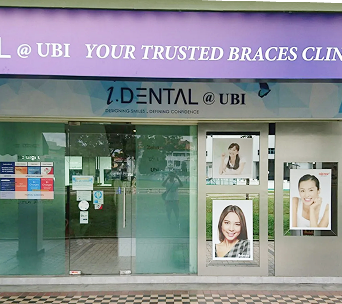
i.Dental @ Ubi

Block 302 Ubi Ave 1
#01-47
Singapore 400302

Mon to Fri: 9:00AM - 8:00PM
Sat: 9:00AM - 4:30PM
Sun & PH: Closed

TEL +65 6841 4080

i.Dental @ Yishun

1 Northpoint Drive, Northpoint City
#B1-176 Singapore 768019

Mon to Fri: 10:30AM - 9:30PM
Sat: 10:30AM - 5:00PM
Sun: 10:30AM - 4:30PM
PH: Closed

TEL +65 6756 1868

Request an Appointment

Please submit your preferred appointment details below. This is an appointment request and does not confirm your booking.

Our team will contact you to confirm your appointment date and time, subject to availability.
Contact us
Request an Appointment
Please submit your preferred appointment details below. This is an appointment request and does not confirm your booking.

Our team will contact you to confirm your appointment date and time, subject to availability.

"*" indicates required fields

This field is for validation purposes and should be left unchanged.
Request an Appointment
Please submit your preferred appointment details below. This is an appointment request and does not confirm your booking.

Our team will contact you to confirm your appointment date and time, subject to availability.