

Looking for a crown that looks natural, lasts long, and is safe for your body? Zirconia crowns could be the ideal solution. Made from high-strength zirconium dioxide, these advanced restorations are transforming modern dentistry – offering durability, biocompatibility, and stunning aesthetics in one package.
In this article, we’ll cover the types of zirconia crowns, key advantages and disadvantages of zirconia crowns and frequently asked questions about them. This will help you make an informed decision about whether they’re the right choice for your dental needs.
What Are Zirconia Crowns?
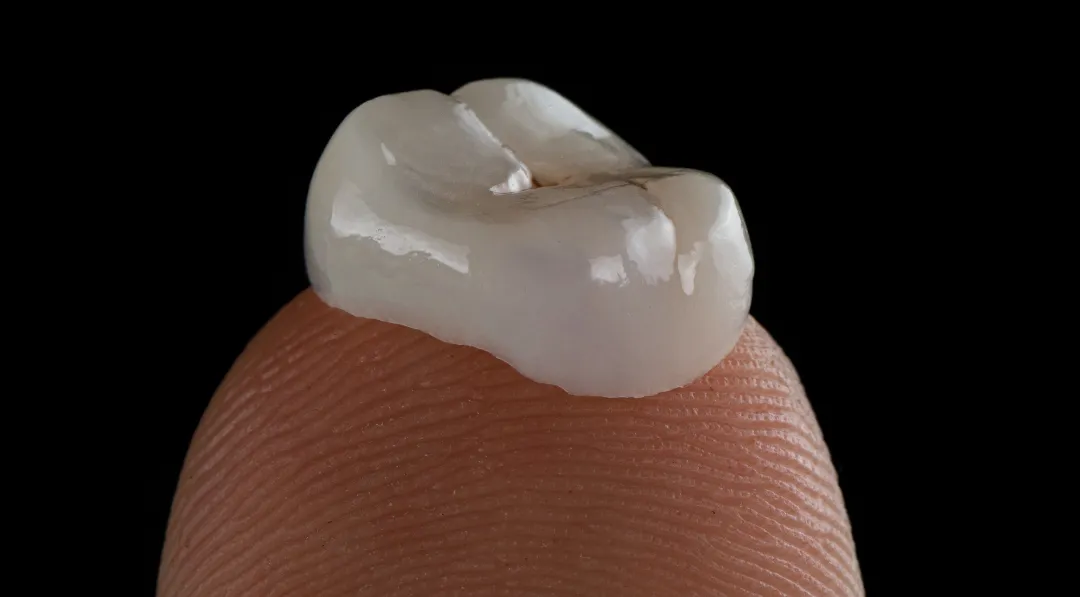
Zirconia crowns are a kind of dental crown, which are tooth-coloured caps used to restore damaged or weakened teeth or enhance their appearance. Unlike traditional options such as porcelain-fused-to-metal (PFM) or gold crowns, zirconia crowns are made from a ceramic material that is metal-free, incredibly strong, and gentle on the body.
These crowns can be used for multiple reasons:
- To strengthen a tooth that has been weakened
- To hold together the parts of a cracked tooth
- To restore a tooth that is broken, chipped, or severely worn down
- To cover a tooth following root canal treatment
- To cover a dental implant
- To secure a dental bridge in place
- To cover teeth with developmental abnormalities or discolouration
Types of Zirconia Crowns
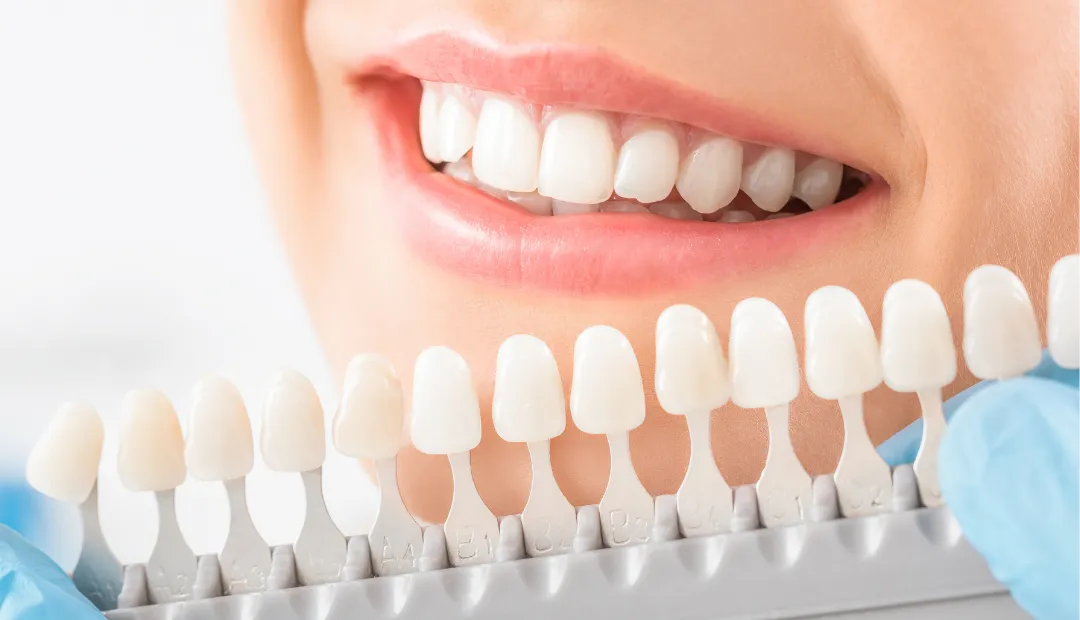
There are three main types of zirconia crowns: solid (monolithic) zirconia, layered zirconia, and high translucent zirconia. Each offers distinct advantages in terms of strength, aesthetics, and clinical application. Understanding the differences between these crown types can help you make more informed decisions when planning dental restorations.
Solid/Monolithic Zirconia
Solid or monolithic zirconia is the most opaque of the zirconia types. It is a popular choice due to its strength and improved aesthetics with multi-layered colour.
This type of zirconia crown is typically recommended for posterior crowns, such as on molars, where durability is a priority. Its opacity makes it less ideal for visible areas of the mouth, but its strength makes it highly effective for individuals who grind their teeth.
Layered Zirconia
Layered zirconia is designed to create a more natural-looking restoration, especially for anterior teeth. Layered zirconia mimics the natural translucency of teeth by applying a special ceramic coating to the visible surfaces of the crown.
This type of zirconia allows for highly aesthetic outcomes. Although mainly used for anterior crowns, layered zirconia can also be used in the posterior region if sufficient clearance is available. However, it is slightly less strong than solid zirconia.
High Translucent Zirconia
High translucent zirconia is considered the most natural-looking option among zirconia types. Their exceptional translucency closely mimics natural teeth, allowing them to blend seamlessly with surrounding teeth. On top of their lifelike appearance, they are also more durable than traditional porcelain crowns.
Advantages of Zirconia Crowns
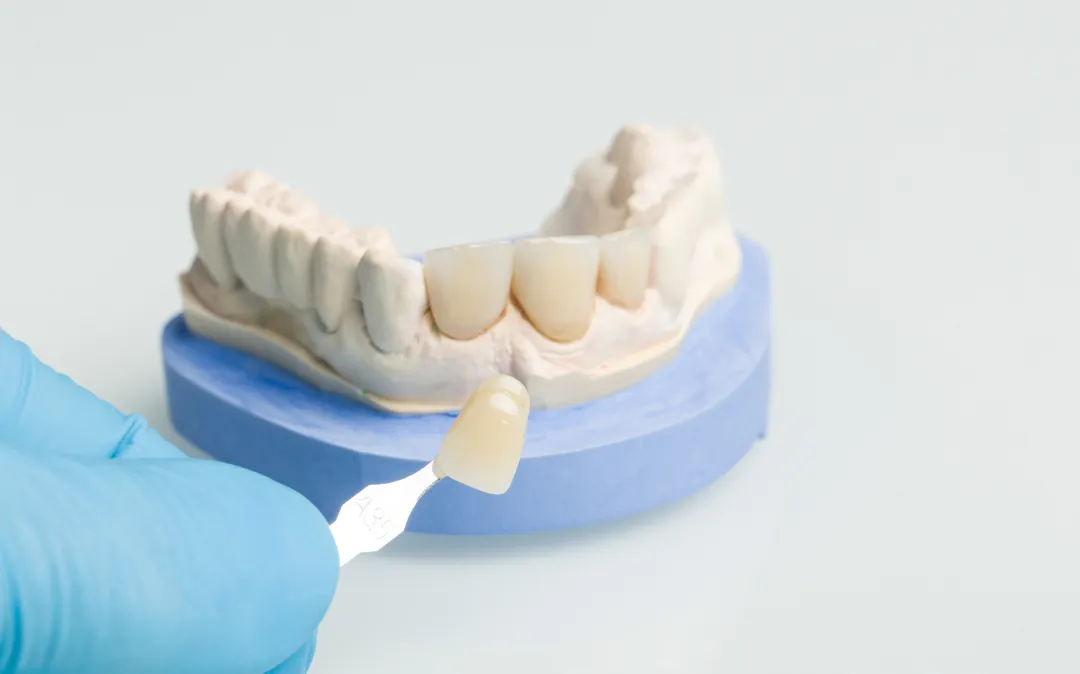
This section highlights the key benefits of zirconia crowns, such as their durability and aesthetic qualities, making them a popular choice for dental restorations.
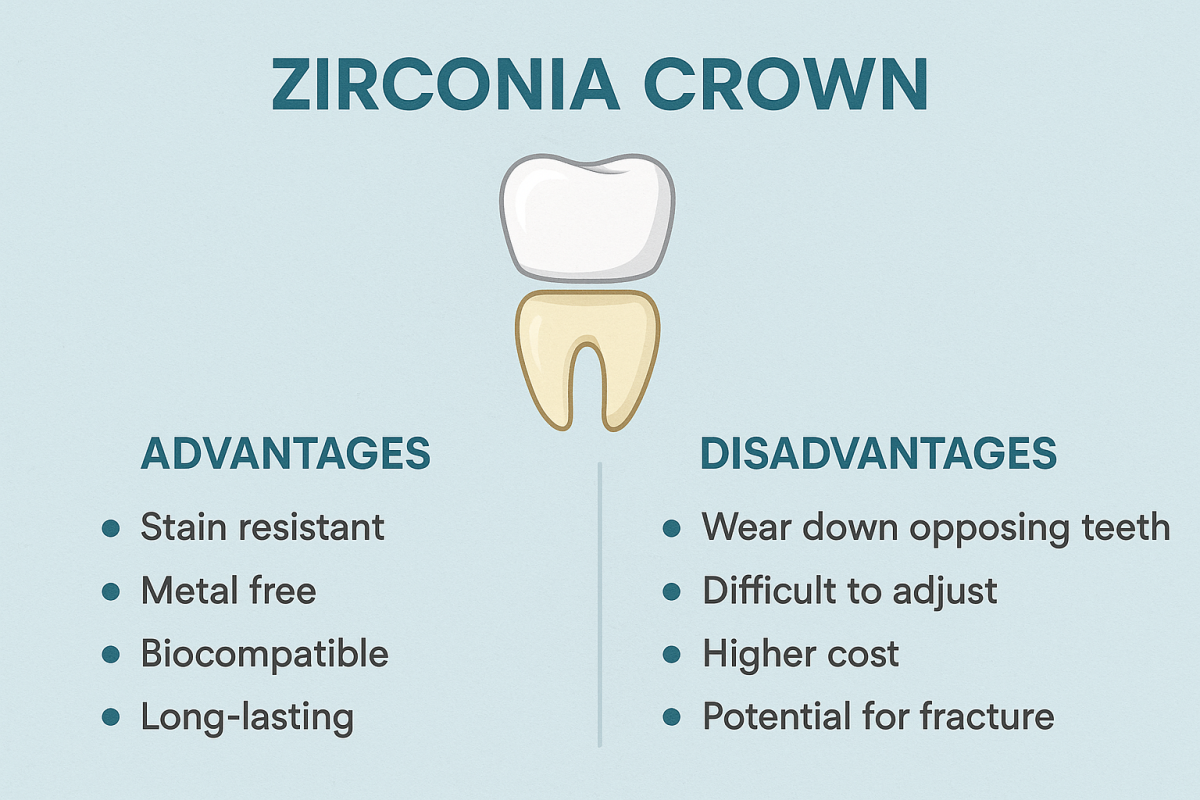
Zirconia crowns are completely metal-free, making them an excellent choice for individuals with metal allergies or sensitivities. They eliminate the risk of allergic reactions and dark lines along the gum margin, which can occur with metal-based crowns. Their metal-free composition also means metal will not show even if gum recession occurs over time.
Zirconia crowns are highly aesthetic and offer excellent customisability. Their naturally white appearance and translucent properties allow them to closely mimic natural teeth. The material can be manufactured in a wide range of shades, making it easy to match the crown to surrounding teeth.
Additionally, zirconia can be layered with ceramic to achieve an even more lifelike appearance, especially for anterior restorations. These crowns can also be digitally designed and adjusted for a perfect, individualised fit.
One of the greatest advantages of zirconia crowns is their exceptional strength and durability. They are resistant to chipping, cracking, and wear, which make them especially suitable for back teeth where bite forces are greatest. With proper care, zirconia crowns can last 10 to 15 years or longer, providing a reliable and cost-effective long-term solution.
Zirconia crowns are highly resistant to staining and discolouration. Unlike other dental materials, zirconia maintains its aesthetic appearance over time, even with exposure to coffee, tea, or tobacco. This stain resistance reduces the need for polishing or maintenance, helping individuals retain a bright and natural smile for years.
Zirconia crowns require minimal tooth reduction due to the material’s inherent strength. Because they can be fabricated in thinner sections, less of the natural tooth needs to be removed during preparation. This conservative approach maintains the strength of the tooth and reduces the risk of sensitivity.
Zirconia is biocompatible and safe for use inside the mouth, making it a reliable option for individuals seeking restorations that are gentle on oral tissues. It has a very low chance of causing an allergic reaction or immune response. In addition, its smooth surface reduces plaque accumulation and encourages healthy tissue response.
Disadvantages of Zirconia Crowns
Here, we explore the potential drawbacks of zirconia crowns, including their cost, aesthetic limitations, and other factors to consider when choosing this material for dental treatments.
Zirconia is an extremely hard and durable material, which, while beneficial for longevity, can also contribute to increased wear on opposing natural teeth or restorations. Some in the dental community have expressed concern that zirconia may wear down the softer enamel of neighbouring or opposing teeth over time.
However, this risk can be mitigated by ensuring proper spacing and alignment during crown design, as well as regular dental check-ups. The use of an occlusal splint can also effectively prevent this wear.
One of the key disadvantages of zirconia crowns is their higher cost compared to traditional crown materials such as metal-based or porcelain-fused-to-metal (PFM) crowns. The increased price is largely attributed to the advanced materials and digital manufacturing processes used in their production. Although new technologies and more efficient digital workflows have helped reduce these costs, zirconia crowns remain a more expensive option overall.
Zirconia crowns can be more challenging to adjust than those made from materials like porcelain. Once the crown is fabricated and cemented in place, modifications can be difficult and may require a complete replacement if significant alterations are needed. However, the precision of modern intraoral scanners has significantly reduced the likelihood of needing post-placement adjustments.
Despite their exceptional strength, zirconia crowns are not entirely immune to fracture. Under extreme stress or trauma, such as biting on hard objects or in individuals who grind their teeth, there is a risk of the crown fracturing. Again, the use of a protective occlusal splint can help prevent such complications.
Choosing i.Dental For Zirconia Crowns
At i.Dental, we offer high-quality zirconia crowns, providing you with a durable, aesthetic, and biocompatible solution for your dental restoration needs. Whether you’re looking to restore your molars or enhance the strength and longevity of your smile, our zirconia crowns are crafted with precision and advanced technology to ensure a perfect fit and lasting results.
FAQs About Zirconia Crowns
Zirconia crowns are renowned for their exceptional durability. With proper care and maintenance, they can last between 10 to 15 years or even longer. Their resistance to chipping and cracking contributes to this extended lifespan.
The cost of a zirconia crown in Singapore typically ranges from $1,200 to $2,500 per tooth. This price variation depends on factors such as the dental clinic’s location, the complexity of the procedure, and any additional treatments required. At i.Dental, our zirconia crowns are priced at $1,362.50 per tooth (GST included).
Zirconia crowns are highly durable and resistant to wear, making them ideal for molars or patients who grind their teeth. While they are slightly opaque, recent advancements have improved their aesthetics. They are also biocompatible, making them suitable for those with metal sensitivities.
Ceramic crowns are known for their natural translucency and shine, making them a top choice for front teeth restorations. Despite their delicate appearance, ceramic crowns are also strong and durable.
In summary, zirconia crowns excel in strength and durability, while ceramic crowns are preferred for their natural appearance, especially for front teeth.
Zirconia crowns are stronger and more durable, making them ideal for molars and individuals with bruxism. They are resistant to fractures and can withstand significant chewing forces, often requiring less tooth reduction than porcelain crowns.
Porcelain crowns, on the other hand, excel in aesthetics due to their translucency, closely mimicking the appearance of natural teeth. They are often preferred for front teeth restorations where appearance is paramount.
The choice of crown hence depends on your specific needs: zirconia for strength and longevity, porcelain for superior aesthetics, particularly in the front teeth.



