

With new updates to CHAS dental subsidies coming into effect from October 2025, many Singaporeans are wondering what this means for their dental care. From expanded eligibility to higher subsidy limits and added payment flexibility, these changes aim to make dental treatments more affordable for Singaporeans.
In this article, we’ll break down the key updates to CHAS dental fees, explain what they mean for you, and answer common questions so you can make the most of your dental benefits at your next visit.
What is CHAS?
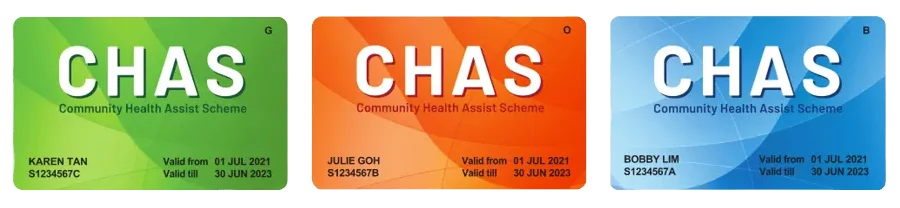
The Community Health Assist Scheme (CHAS) is a government initiative that helps Singaporeans access affordable healthcare, including dental services, at participating private and public clinics. Depending on your household income and CHAS card type — Blue, Orange, Merdeka Generation, or Pioneer Generation — you can receive subsidies for a range of treatments.
For dental care, CHAS covers both basic procedures like consultations, scaling and polishing, fillings, and extractions, as well as restorative procedures such as dentures, crowns, and root canals. Instead of paying the full bill upfront, the CHAS subsidy is automatically deducted at the clinic, and you only pay the remaining balance.
What Are The Revised CHAS Dental Fees in 2025?
From 1 October 2025, several important updates to CHAS dental subsidies will take effect. These changes are designed to make treatments more affordable and transparent for Singaporeans, while also giving patients greater flexibility in payment support.
Here are the key updates you should know:

From October 2025, CHAS Orange cardholders will also receive subsidies for 10 basic and preventive dental procedures — the same treatments already available to CHAS Blue, Merdeka Generation, and Pioneer Generation cardholders.
This change makes preventive care such as consultations, scaling and polishing, and fillings more affordable for middle-income households. Preventive care is especially important, as it helps patients detect and address problems early, often saving on bigger treatment costs down the line.
The table below shows a breakdown of subsidy amounts for each dental service by CHAS tier:
*Prices updated as of Aug 2026
Subsidy limits for 7 restorative procedures — such as root canal treatment, crowns, and dentures — will be increased. This helps offset more of the costs for patients, especially seniors who may need complex dental work.
Refer to the table below for the new subsidy caps across Orange, Blue, Merdeka, and Pioneer cardholders:
*Prices updated as of Aug 2026
From October 2025, CHAS dental clinics will be required to display MOH’s published fee benchmarks for 18 common dental procedures directly alongside their own price lists. This step ensures patients have a clearer idea of what typical fees look like and can make more informed choices when comparing clinics.
From September 2026, if a clinic’s charges exceed the published benchmarks, they must provide clinical justifications for the claims. By the end of 2026, all CHAS dental clinics will also need to be MediSave-accredited or onboard the Flexi-MediSave scheme to continue offering CHAS benefits.
Refer to the table below for a comparison of MOH’s fee benchmarks against actual service costs at i.Dental:
*Prices updated as of Aug 2026
*Indicated price is for basic dentures only. Final price is dependent on factors such as the type, material and whether it is a partial/full denture. Additional denture services/auxiliary items are charged separately.
In addition to subsidies, seniors aged 60 and above will soon enjoy more flexibility in payment options. From mid-2026, they can use up to $400 per year from their Flexi-MediSave accounts for root canal treatments and permanent crowns.
This change provides older patients with another way to manage the costs of essential dental care, especially for treatments that often require higher upfront payments. It reduces the financial burden and encourages seniors to seek timely treatment.
What Do These Changes Mean for Patients?
The revised CHAS dental fees aren’t just policy updates — they directly affect how much patients pay and how accessible care becomes. Here’s what these changes mean in real terms:
- More Affordable Preventive Care: CHAS Orange cardholders now receive subsidies for 10 basic dental procedures, making regular check-ups, fillings, and cleanings more affordable.
- Lower Costs for Complex Treatments: Higher subsidy caps help reduce out-of-pocket expenses for root canals, crowns, and dentures, especially benefiting seniors.
- Greater Transparency in Pricing: MOH fee benchmarks allow patients to compare clinic charges with national ranges, giving more confidence in fair pricing.
- Extra Flexibility for Seniors: From mid-2026, seniors aged 60+ can use up to $400/year from Flexi-MediSave for root canals and permanent crowns. This provides additional financial support for selected elderly dental care needs.
The revised CHAS dental fees are a positive step toward making dental care more accessible and affordable for Singaporeans. With expanded coverage, higher subsidies, and greater transparency, it’s easier than ever to take care of your oral health.
Not sure what you can claim? Our team at i.Dental is here to guide you. Book your appointment today and let us help you maximise your CHAS benefits while keeping your smile healthy and bright.
FAQs About CHAS Dental Subsidies
All Singapore Citizens are eligible to apply for CHAS, but the card type (Blue, Orange, Pioneer Generation, or Merdeka Generation) depends on household income or age group. Each tier offers different levels of subsidy for dental care.
No, CHAS only covers specific basic (e.g. consultations, fillings, scaling, polishing) and restorative procedures (e.g. dentures, crowns, root canal treatments). Cosmetic treatments like teeth whitening, veneers, or implants are not covered.
Dental bridges and implants themselves are not directly subsidised under CHAS. However, certain components — such as crowns or implant placement — may be claimable under MediSave, depending on the treatment.
No, fees can differ across clinics. CHAS subsidies are deducted from the clinic’s own charges, so the final amount you pay depends on both the subsidy and the clinic’s listed fees. From October 2025, published fee benchmarks will help patients compare costs more easily.
For multi-visit procedures like dentures, crowns, or root canals, the treatment must be completed before your CHAS card expires in order to claim the subsidy.
The subsidy amount depends on:
- Your CHAS card type
- The procedure being done
- The clinic’s charges
Your dental clinic will advise you on the applicable subsidy at the time of your visit.



