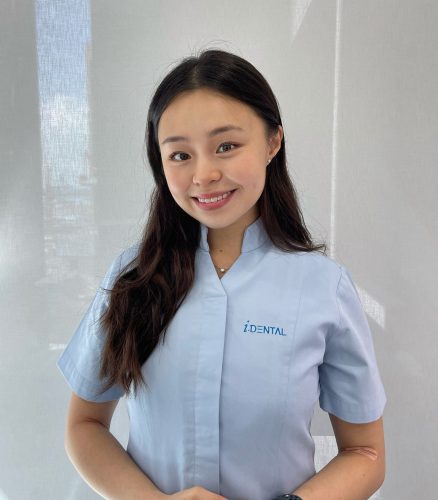
Ageing, chronic medical conditions, and certain medications can increase the risk of dental problems such as tooth decay, gum disease, dry mouth, and tooth loss.
At i.Dental, we provide geriatric dental care based on each patient's oral health, medical history, and functional needs. Help your loved one take the first step towards better oral health today.
Elderly dental care, also known as geriatric dentistry, focuses on preventing, diagnosing, and treating oral health conditions commonly experienced by older adults. In addition to dental health, treatment also takes into account their overall medical conditions, medications, and individual care needs.
Geriatric dental care is tailored to accommodate the elderly with reduced mobility, dementia, Parkinson's disease, a history of stroke, or other chronic illnesses to ensure treatment is safe and comfortable. The goal is to help older adults eat comfortably, speak clearly, maintain their natural teeth whenever possible, and enjoy a better quality of life.
As we age, certain dental problems become more common due to natural changes in the mouth, the effects of medications, and underlying health conditions. However, these issues are not an inevitable part of ageing. With regular dental check-ups and early treatment, many problems can be managed before they become more serious and require complex procedures.
Older adults are more prone to tooth decay, particularly root decay, which occurs when receding gums expose the tooth roots.
Gum disease often starts as gingivitis and can progress to periodontitis if left untreated.
Advanced gum disease may damage the supporting tissues and bone, leading to loose teeth and eventually tooth loss.
Many older adults experience dry mouth, often as a side effect of medications or certain medical conditions.
Reduced saliva increases the risk of tooth decay, mouth ulcers, oral infections, and difficulty swallowing.
Missing teeth can make it harder to chew, speak clearly, and maintain good nutrition. They may also affect the bite and facial appearance over time.
Years of daily use can wear down tooth enamel, making teeth more prone to chips, cracks, and fractures. This may also cause tooth sensitivity.
It's common for dentures to require adjustments over time.
As the gums and jawbone naturally change shape, dentures may become loose, affecting comfort, chewing efficiency, and speech.
The right dental treatment depends on your loved one's oral health, medical history, and personal needs. i.Dental offers these dental treatments for older adults:
Regular dental check-ups help detect oral health problems early. Depending on the individual's needs, a visit may include:
When tooth decay is detected early, a dental filling can usually restore the tooth and prevent further damage.
This helps preserve more of the natural tooth and reduces the need for more extensive treatment later.
Treatment for gum disease focuses on removing plaque and bacteria from beneath the gum line to stop the disease from progressing.
This may include scaling and root planing, followed by regular periodontal maintenance.
If a tooth is severely decayed, fractured, or cannot be restored, tooth extraction may be the most appropriate option.
Removing a damaged tooth can relieve pain, eliminate infection, and protect the surrounding teeth and gums.
Dentures replace missing teeth and help restore chewing ability, speech, and appearance. Treatment options may include:
Dental implants provide a long-term solution for replacing missing teeth by supporting artificial teeth with titanium posts placed in the jawbone.
Dental crowns are custom-made caps placed over weakened or damaged teeth to restore their strength, shape, and function.
They are often recommended after large fillings, root canal treatment, or when a tooth is cracked or worn down.
Every geriatric dental consultation begins with a comprehensive assessment to understand the individual’s oral health, medical history, and needs. Based on the findings, our dentist will recommend a personalised treatment plan that takes into account overall health, medications, and treatment goals.
The cost of elderly dental care depends on the type of treatment required and its complexity. i.Dental offers dental treatments with the following costs:
*Seniors aged 60 and above may be eligible to use Flexi-MediSave to claim up to $400 per year for eligible permanent crown treatments, subject to prevailing MediSave regulations and eligibility criteria.
Those eligible may be able to use CHAS dental subsidies for selected dental treatments, helping to reduce out-of-pocket costs. Depending on eligibility, CHAS subsidies may be available for:
Our clinic staff can advise patients on their CHAS eligibility and the subsidy amount applicable to the treatment before proceeding.
Maintaining good oral health is important at every stage of life, including during senior years. Even if an older adult has fewer natural teeth or wears dentures, regular dental care helps keep the mouth comfortable and functional.
Healthy teeth, gums, and properly fitting dentures make it easier to chew and enjoy a balanced diet. Untreated dental issues such as tooth pain or ill-fitting dentures can make eating uncomfortable, potentially affecting appetite and nutrition.
Good oral health contributes to overall comfort and confidence. Treating dental problems can also make daily activities like eating, speaking, and socialising more enjoyable.
Oral health is closely connected to general wellbeing. Regular dental care helps prevent infections and manage conditions that may affect oral health.
In many cases, oral health problems in older adults develop gradually, making them easy to overlook. Family members and caregivers are often the first to notice subtle changes that may indicate the need for dental care. Consider scheduling a dental appointment if your elderly loved one shows any of these signs:
Don't wait for small concerns to become bigger problems. Early diagnosis and treatment can help protect your loved one's oral health, comfort, and overall well-being.
Schedule an appointment with i.Dental for a comprehensive dental assessment.
Regardless of age, everyone has unique oral health needs. At i.Dental, treatment plans are tailored to each patient’s dental condition, medical history, and individual goals to provide targeted and effective care.
We strive to create a comfortable and supportive experience for everyone. Our team takes the time to explain each step of the treatment, address any concerns, and provide care at a pace that helps seniors feel more at ease during their visit.

Tooth loss can begin as early as the late 30s or early 40s, particularly if there is poor oral hygiene, untreated gum disease, or tooth decay. However, most tooth loss occurs after the age of 60 as these conditions become more common.
Although many adults lose 5 to 10 teeth by their late 60s or early 70s, maintaining good oral hygiene, attending regular dental check-ups, and seeking timely treatment can help preserve natural teeth for longer.
Most older adults should visit the dentist every 6 months for routine examinations and professional cleaning. Those with dry mouth, dentures, or medical conditions that affect oral health may require more frequent reviews based on their dentist's recommendation.
Yes. Eligible seniors may use CHAS subsidies for selected dental treatments such as consultations, scaling and polishing, fillings, tooth extractions, and dentures at participating CHAS dental clinics. Depending on the treatment, MediSave may also be used for approved surgical dental procedures, such as dental implants and certain gum surgeries.
Yes, in most cases. Before recommending any treatment, our dentist will review the patient’s medical history, existing health conditions, and current medications to ensure the proposed treatment is appropriate and safe. If necessary, the treatment plan can be modified to accommodate the patient’s overall health and reduce the risk of complications.
Older adults can maintain good oral health by practising good oral hygiene and adopting healthy daily habits. Some tips include:
The cost of treatment varies depending on the individual’s oral health needs and the procedures required. Following a dental examination, the dentist will recommend a suitable treatment plan and provide a breakdown of the expected costs before treatment begins.
Have questions about treatment or pricing? Contact us at i.Dental to arrange a consultation.
Gum recession is common as people age, but it is not always caused by ageing alone. It often develops gradually due to a combination of long-term factors, such as gum disease, aggressive brushing, teeth grinding, and natural changes to the gums over time. Early assessment and treatment can help prevent further recession.



"*" indicates required fields