







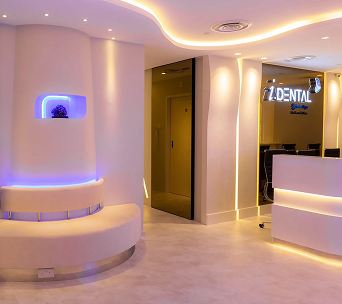
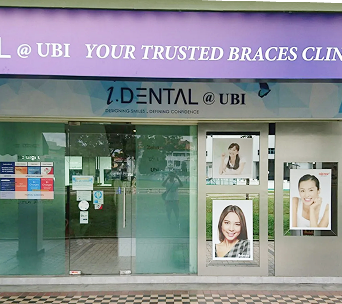
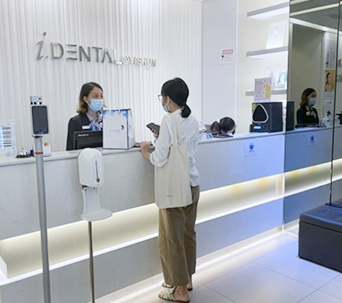
i.Dental offers convenient access with three clinic locations across Singapore—Tanjong Pagar, Ubi, and Yishun.

Invisalign Month: Get A Consultation, X-Ray and 3D iTero Scan at $18 NETT. Find Out More >

Straighten your teeth with a more discreet alternative to metal braces. Ceramic braces use clear or tooth-coloured brackets that blend in with your smile while delivering the same effective results.
Medically reviewed by: Dr Cheng Eng Wah, Principal Surgeon and Founder of i.Dental
Last reviewed: 31 August 2026
Ceramic braces offer a less noticeable yet effective way to straighten your teeth. Using clear or tooth-coloured brackets, they blend in naturally for a less noticeable appearance.
Ideal for teens and adults, ceramic braces correct crooked teeth, bite issues, crowding, and gaps between teeth with similarly reliable results to traditional braces. They are effective for most alignment issues, but your dentist will advise if they are suitable for more complex cases, as the brackets are more brittle and may not be ideal where significant force is needed.
Both ceramic and metal braces are effective orthodontic options, but ceramic braces offer added aesthetic and comfort benefits, especially for those who prefer a more subtle look. Here’s a quick comparison to help you see the differences at a glance:
Ceramic braces are designed to blend in with your natural teeth using clear or tooth-coloured brackets. This makes them a discreet choice for individuals seeking a more aesthetic alternative to traditional metal braces.


Made from smooth ceramic material, these braces are generally gentler on the cheeks and gums. They reduce friction, helping to minimise sore spots and irritation often experienced with metal brackets.
Whether you’re dealing with mild misalignment, crowding, or more complex bite issues, ceramic braces get the job done. You’ll get the orthodontic results you need, without compromising on aesthetics.

Ceramic braces come in different systems to suit varying needs for aesthetics, comfort, and treatment time. There are two main types of ceramic braces available:
Traditional ceramic braces use tooth-coloured or clear brackets paired with elastic modules to hold the archwire in place. This makes them a popular choice for those seeking a subtler appearance while straightening their teeth.
They are effective in correcting most types of malocclusions and generally offer a more comfortable experience. However, ceramic braces are more prone to breakage, requiring good oral hygiene and occasional repairs.
Self-ligating ceramic braces do not require elastic modules. Instead, they use built-in clips to secure the wire, reducing friction between the wire and brackets. These braces also offer a cleaner look and are available in clear or tooth-coloured ceramic.
They tend to be smaller and more comfortable, with fewer adjustments needed. However, maintaining good oral hygiene is important, and clip breakage can lead to added visits or costs.
You can start your braces journey from just $5,014, with fees varying based on the complexity of your treatment.
To get started, we offer a comprehensive assessment package at $239.80 (inclusive of GST). This includes everything needed to evaluate your teeth and create a personalised treatment plan.
The consultation package includes:
*Prices above do not include other services such as scaling and polishing, extractions, retainers and/or fillings if required.
For students and NSFs, the package includes a pair of post-treatment clear retainers worth $490.50 for both traditional and self-ligating braces.
i.Dental offers convenient access with three clinic locations across Singapore—Tanjong Pagar, Ubi, and Yishun.
With over 30 years of experience, i.Dental’s dedicated team is committed to providing personalised treatment for every individual. From your very first consultation, our dentists will take the time to understand your needs, explain suitable options, and ensure you’re comfortable throughout your treatment journey.

Ceramic and metal braces are both effective at straightening teeth, but they differ in appearance, durability, and cost. Metal braces are stronger, more durable, and typically less expensive, making them suitable for complex cases and active lifestyles.
Ceramic braces are more discreet, using tooth-coloured or clear brackets that blend in with your teeth. They are a popular choice for adults and teens who want a more subtle look during treatment.
However, ceramic braces are more prone to staining and breakage, which may lead to more frequent repairs and longer treatment times. They also tend to cost more than metal braces.
If durability and affordability are your main concerns, metal braces may be better. If appearance is your priority, ceramic braces offer a more aesthetic option but may require more careful maintenance.
Schedule a consultation and our dentist will recommend the best option based on your smile goals and lifestyle.
To keep your ceramic braces clean, brush and floss at least twice a day, or ideally after every meal. Use a soft-bristled or electric toothbrush, fluoride toothpaste, and tools like interdental brushes or a water flosser to reach around the brackets and wires effectively.
Treatment with ceramic braces typically lasts between 12 to 36 months. The exact duration depends on the complexity of your case and the amount of correction needed.
While ceramic braces work as effectively as metal ones, they may sometimes extend treatment slightly due to their more delicate materials. Your dentist can give a more accurate estimate after assessing your teeth.
Alternative systems such as self-ligating, Invisalign or Damon braces may be recommended depending on your needs and lifestyle.
Modern ceramic brackets themselves are highly resistant to staining, but the elastic ties used to hold the wires in place are more prone to discolouration and are replaced during each visit. These ties can pick up stains from certain foods, drinks, and habits such as drinking coffee or tea, eating tomato-based sauces, or smoking. Over time, these stains can make the braces more noticeable, which may affect their discreet appearance.
Ceramic braces are not inherently more painful than other types of braces, but some discomfort and soreness are normal, especially after they are first placed or when the wires are tightened. This is a natural part of the adjustment process as your teeth begin to shift.
The discomfort is usually mild and temporary, and there are ways to manage it. Using orthodontic wax, eating soft foods, and taking over-the-counter pain relief can help ease any soreness during the initial adjustment period.



"*" indicates required fields