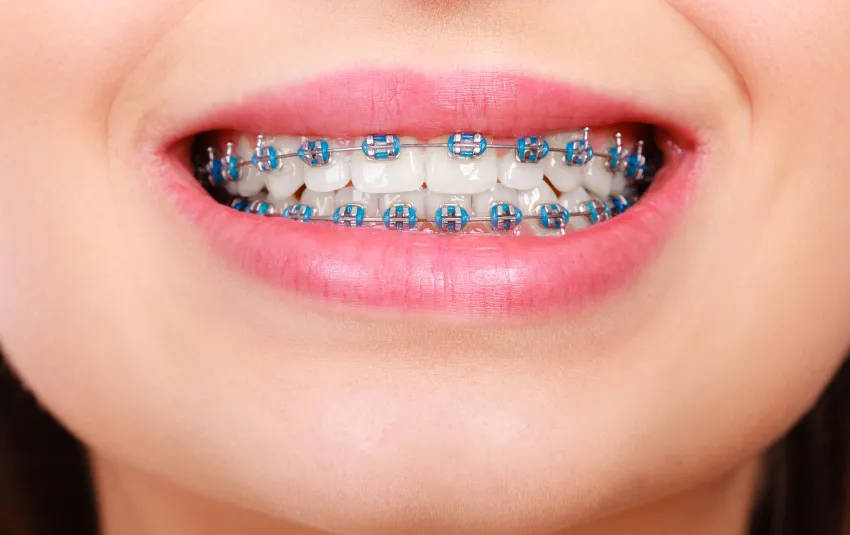
Students with an open bite may have a visible gap between the upper and lower teeth when biting down. Depending on its severity, this can affect everyday functions such as biting, chewing or speech.

Invisalign Month: Get A Consultation, X-Ray and 3D iTero Scan at $18 NETT. Find Out More >

Medically reviewed by: Dr Cheng Eng Wah, Principal Surgeon and Founder of i.Dental
Last reviewed: 15 September 2026
Braces can correct crooked teeth, overcrowding and bite issues while you’re still young. Straighter teeth are also easier to brush and floss, making it easier to maintain good oral hygiene and reduce the risk of future dental problems.
Braces can help correct issues such as an overbite, underbite or crossbite. Improving your bite can make chewing more comfortable and help your teeth meet properly.
Starting orthodontic care as a student can help address alignment and bite issues before they become more complicated. Once treatment is complete, you can enjoy the benefits of a straighter, more functional smile well into adulthood.
From crowded teeth to bite problems, several orthodontic issues can affect students as their teeth and jaws continue to develop.

As permanent teeth erupt, there may not be enough space for them to grow into their ideal positions. This can cause overlapping or twisted teeth and make brushing and flossing more difficult.

Students may notice spaces between their teeth as their permanent teeth and jaws develop. These gaps are known as diastema.
Some students may have upper front teeth that protrude noticeably beyond the lower teeth. Braces can help reposition the teeth and improve their alignment.

A crossbite may become noticeable as the permanent teeth grow, with some upper teeth biting behind the lower teeth. Treatment may be recommended to improve how the upper and lower teeth meet.

An underbite is when the lower teeth sit in front of the upper teeth. Braces may be used to improve tooth alignment and, in some cases, help correct the bite.

Students with an open bite may have a visible gap between the upper and lower teeth when biting down. Depending on its severity, this can affect everyday functions such as biting, chewing or speech.

The right type of braces can depend on factors such as the student’s orthodontic needs, budget, appearance preferences and treatment goals. Here are some of the options available in Singapore.


With several orthodontic options available in Singapore, the right choice depends on more than just appearance. Before getting braces, it’s good to consider your treatment needs, lifestyle, budget and preference.
Traditional metal braces are often a practical choice for students looking for an effective and more affordable treatment option.
Self-ligating braces may be a suitable option for students who find it difficult to fit frequent dental visits around classes and other commitments. Review appointments are typically scheduled every 4 to 8 weeks, compared with around every 4 weeks for traditional braces.
Not every type of braces is suitable for every orthodontic concern. The severity of your bite issues may affect the type of treatment recommended. Consult your dentist to find out which type of braces is the most suitable for your alignment goals.
The cost of braces for students in Singapore can vary depending on factors such as the type of braces, complexity of the orthodontic case and length of treatment. Additional procedures, such as tooth extractions or other dental treatments, may also be required and can add to the overall cost.
Our student braces packages include:
Eligibility:
*Prices above do not include other services such as scaling and polishing, extractions, retainers and/or fillings if required.
*For Invisalign non-extraction cases, this excludes comprehensive and functional treatments
At i.Dental, we understand the importance of affordable and manageable payment options. That’s why we offer both in-house instalment plans and credit card financing to help you spread the cost of your treatment comfortably.
For individuals visiting our i.Dental Tanjong Pagar clinic, please be aware that only OCBC credit card instalment plans are available at this location. Our other clinics welcome both OCBC and UOB credit card financing options.
Alternatively, you may opt for our interest-free in-house instalment plan or choose from the interest-free instalment options offered by UOB or OCBC.
Your first orthodontic appointment is a chance to understand your treatment options and get answers to your questions. Here’s how to prepare:
Have any relevant X-rays, dental records or referral letters ready. Your dentist may also carry out their own assessment during the appointment.
It’s normal to experience some soreness when you first get braces or after an adjustment. These simple tips can help you stay comfortable and keep your teeth healthy throughout treatment.
If your brackets or wires are rubbing against your cheeks or lips during lessons, orthodontic wax can help reduce irritation. Simply place a small amount over the area that is causing discomfort.
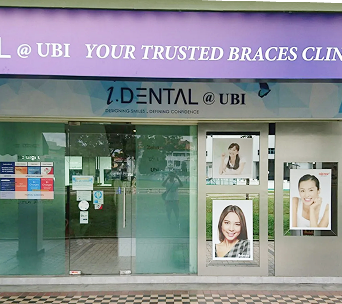
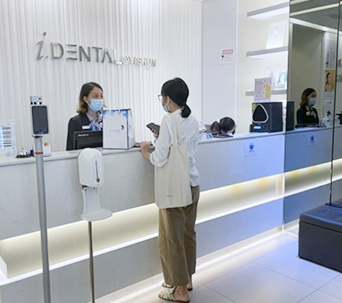
i.Dental makes dental care easy to access and manage. With 3 clinics located across Tanjong Pagar, Ubi, and Yishun, students can attend appointments near school or home.
i.Dental combines years of experience with up-to-date techniques to deliver clear, effective results. We’re committed to helping students achieve a straighter smile comfortably and discreetly, using technology that supports both function and aesthetics.
Both local and foreign students aged 25 years old and below may be eligible for student braces, provided they have a valid student pass. Eligibility may vary, so check with our clinics before booking your appointment.
Starting braces while you're a student can make it easier to address crooked teeth, overcrowding and bite issues early. It also gives you the opportunity to develop good oral care habits during treatment and enjoy a straighter, more confident smile as you enter adulthood.
The minimum age for getting braces varies depending on individual dental development, but orthodontic treatment typically begins between the ages of 10 and 14. At this stage, most children have a mix of permanent and baby teeth, and their jaws are still growing, making it an ideal time to address issues like crowding, misalignment, or bite problems.
Ultimately, the best time to start braces depends on your child’s unique dental needs. A consultation with a qualified dentist will help determine the most appropriate timing for treatment.
The length of time students need to wear braces can vary depending on the individual case and the type of braces used. On average, treatment lasts between 18 and 24 months, though it may be shorter or longer based on various factors. These factors include the severity of the alignment issues, the specific treatment plan and compliance to the treatment.
Keeping a few braces-friendly essentials in your school bag can make it easier to clean your teeth after meals and deal with any minor discomfort during the day. Consider packing:
Yes, students can continue playing sports and musical instruments while wearing braces, though some adjustments may be needed. For contact sports, a sports mouth guard is essential to protect both the teeth and braces.
Musicians, especially those who play wind or brass instruments, might experience some initial discomfort or changes in technique, but most adapt with time and practice. Using orthodontic wax can help ease any irritation.
Currently, braces treatment for students is not covered under government dental subsidies like CHAS or MediSave.
However, for children under 12, the Child Development Account (CDA) under the Baby Bonus Scheme, can be used to cover the cost of their braces treatment. At i.Dental, a CDA-approved dental clinic in Singapore, our friendly kids’ dentist is here to discuss your child’s treatment options, costs and potential subsidies.
The most popular invisible braces option for students is Invisalign — a clear, removable aligner system that straightens teeth discreetly without metal brackets or wires. It’s especially great for school life since it’s comfortable, nearly invisible, and easy to remove for meals, sports, or performances.
When choosing a dental clinic in Singapore, consider factors such as the types of orthodontic treatments available, the dentist’s experience, clinic location and what is included in the treatment cost. A conveniently located clinic can make regular appointments easier to fit around school and other activities, while comparing treatment options and fees can help you find a clinic that suits your needs and budget.



"*" indicates required fields